

If you're looking for online therapy in Florida, you're not alone. A lot of people in the state choose virtual sessions because they can do them from wherever they feel most comfortable.
Online therapy is exactly what it sounds like: you meet with a licensed therapist through a secure video connection instead of driving to an appointment. The therapist is real, licensed and trained. The only difference is the screen between you.
Here's what you should know before you start.
What Online Therapy in Florida Actually Means
When people search for online therapy in Florida, they're usually looking for one of two things: they either want to work with a therapist who is licensed in Florida and can see them online, or they want to understand whether online therapy is even legal and legit in the state.
It is both. Licensed therapists can offer sessions online to people who are located in Florida. As a general rule, a therapist needs to be authorized to practice in the state where you are during the session, and your sessions are covered by the same privacy rules as in-person therapy.
The biggest advantage is flexibility. You don't have to sit in traffic, find childcare before an appointment, or take time off work to drive across town. You log in from your couch, your bedroom, your car in a parking lot, or anywhere private where you can talk freely.
The other advantage is that online therapy often feels less formal. Some people open up more easily when they're in their own space. And if you're anxious about therapy itself, that smaller step can make it easier to try.
How to Find the Right Online Therapist for You
The tricky part is figuring out which therapist is actually a good match. Here are the things that matter most.
- Licensure. Make sure the therapist is licensed to see clients who are located in Florida. You should be able to see their license information on their website or by asking directly before you book.
- What they specialize in. Do they work with anxiety? Trauma? Relationship problems? Grief? You don't have to find someone who specializes in your exact issue, but it helps if they have real experience with what you're dealing with.
- Their approach. Some therapists use cognitive behavioral therapy (which focuses on changing thought patterns that make you feel stuck). Others use trauma-informed therapy (which is sensitive to how past experiences shape you). Ask what methods they use and what resonates with you.
- Availability. When do they have openings? Do their office hours match your schedule?
- Your gut feeling. Does their bio and tone feel warm to you? Do you sense they would actually listen without judgment?
The first conversation with a therapist should feel low-pressure. That's your chance to ask questions and see if you click. A good therapist wants you to feel safe asking them questions too.
What to Expect in Your First Online Therapy Session
Your first session is usually more of a get-to-know-you conversation. The therapist will ask you why you're reaching out, what you're struggling with, and what you hope to get out of therapy.
You're not expected to have your life figured out or to know exactly what you want to work on. Just be honest about what brought you there. "I've been anxious for a while and I want help" is enough.
The therapist will also explain how sessions work, what you can expect, and answer any questions you have about confidentiality or how the online platform works. This is a great time to bring up anything that matters to you, like whether you want to be checked in on about your safety or what your privacy concerns are.
After the first session, you and your therapist agree on a regular schedule so you can actually dig into what's going on.
Online Therapy vs. In-Person: Which One Is Right for You?
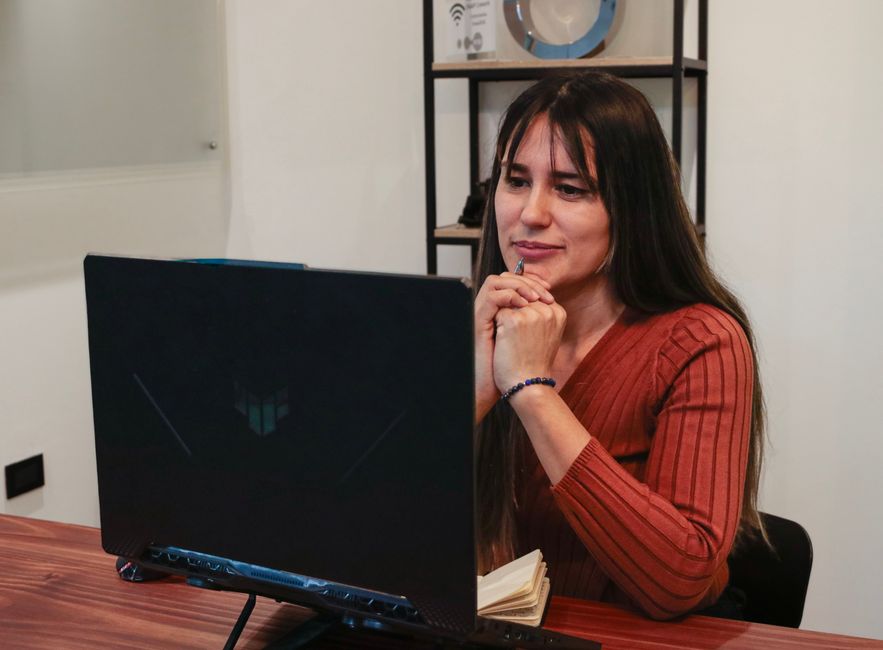
This is personal. Some people do better with in-person therapy because they like the structure of leaving home and sitting with someone face to face. Other people find that online therapy is way less intimidating and easier to commit to.
The good news is that both are real options. It comes down to what fits your life and what helps you feel more comfortable opening up.
If you're in North Miami or the surrounding South Florida area, you have the option to try in-person sessions at an office. If you live elsewhere in Florida or in Texas, Massachusetts or Alabama, online therapy might be your best option. TherapyWalk Innovative Counseling offers both, so you can figure out what works best for you before you commit.
How to Get Started With Online Therapy in Florida
Step one is reaching out. Most therapists have a contact form on their website or a phone number you can call. You'll tell them a little bit about what you're dealing with and ask about availability.
Step two is having that first conversation to see if it's a good fit.
Step three is starting regular sessions and showing up for yourself.
The hardest step is usually the first one because it means admitting you want help. That's actually a sign of strength, not weakness. Many people say they are glad they took that first step.
If you're ready to explore what online therapy looks like for you, request a free consultation to talk about what you're experiencing and what kind of support might help.
Insurance, Cost and What to Ask About Upfront
One thing to be upfront about: how much therapy costs depends on a lot of factors, and the best way to know what you'll pay is to ask the therapist directly. Bring up your insurance situation early so there are no surprises later.
Some therapists work with insurance directly. Others are out-of-network, which means you pay the therapist and can ask for a receipt, often called a superbill, to send to your insurance. Only your insurer can tell you what your plan will pay back.
Many practices offer a free first consultation so you can decide if you want to move forward. Think of it as a low-stakes way to see if therapy makes sense for you right now.
What About Privacy and Safety Online?
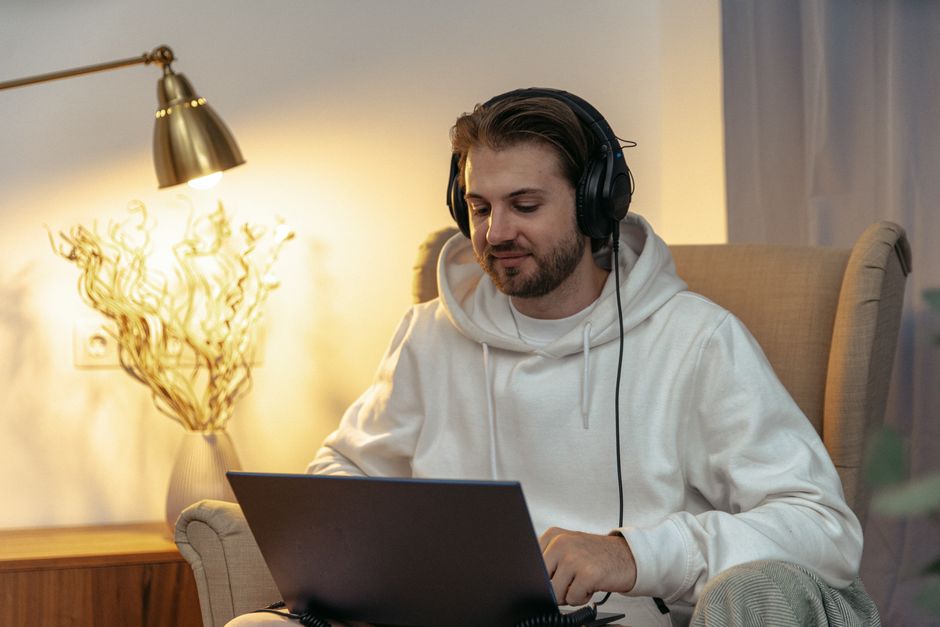
Your privacy is protected by the same laws whether you're talking to a therapist in an office or on video. Therapists are required to keep your information confidential, with a few legal exceptions your therapist will explain at the start.
The platform itself (the video app or website you use) should be secure and HIPAA-compliant, which is the standard for health information. Reputable therapists use these platforms and will tell you about them upfront.
For your end, make sure you're in a private space where you can talk freely without being overheard. That might be your bedroom, your parked car, or any room where you can close the door.
Getting Started With Online Therapy
If you're in Florida and thinking about online therapy, the next step is actually pretty simple. Reach out to a therapist or practice, ask your questions, and see if it feels right.
You don't have to have your whole life figured out. You just have to be willing to talk to someone who can help you sort through what's on your mind. TherapyWalk Innovative Counseling offers secure online therapy for people in Florida and is ready to talk about what you're dealing with.
Is online therapy as effective as in-person therapy?
Many people find online therapy just as helpful. It comes down to what helps you feel comfortable opening up. Some people connect better on video, and others prefer being in the same room. Both are legitimate ways to get real support from a licensed therapist.
Can I switch between online and in-person sessions?
Yes. Some therapists offer both options, and you can ask if you can mix them depending on your week. That flexibility is one of the perks of working with someone who offers both formats.
What if I don't click with the first therapist?
It's okay. Finding the right fit sometimes takes a couple of tries. A good therapist won't be hurt if you decide to look elsewhere, and they'll support you in finding someone who's a better match. Your comfort matters more than their feelings.
Do I need a diagnosis to start therapy?
No. You don't need to have a label or a diagnosis to reach out. You just need to feel like something isn't working and want help figuring it out. That's reason enough.