

Walk and talk therapy is exactly what it sounds like: you meet with a therapist and have your session while walking outdoors instead of sitting in an office. It blends the benefits of therapy with fresh air, movement, and nature. If you've ever felt stuck during a regular conversation, or noticed that you think more clearly when you're moving, walk and talk therapy might resonate with you.
The idea is simple but powerful. Sitting face-to-face across a desk can sometimes feel intense or formal. Adding movement and a change of scenery can help you feel more at ease, think more clearly, and open up in ways that feel more natural to you.
How Walk and Talk Therapy Works
During a walk and talk session, you and your therapist walk together outdoors while talking about what's on your mind. The therapist guides the conversation just as they would in a traditional office session, but you're moving and breathing fresh air the whole time.
Your therapist is trained to listen, ask thoughtful questions, and help you explore your feelings and challenges. The walking itself becomes part of the process. Some people find that focusing on the path ahead helps them relax. Others discover that the gentle rhythm of walking makes it easier to talk about difficult things.
The outdoor setting matters too. Being in nature, even a quiet neighborhood or park, can lower stress and help you feel more grounded. You're not distracted by fluorescent lights or the formality of an office. Instead, you get fresh air, natural light, and the sense of moving forward, which many people find symbolic and healing.
Who Can Benefit From Walk and Talk Therapy
Walk and talk therapy can help with many of the same issues that traditional therapy addresses. If you're dealing with anxiety, depression, stress, grief, or relationship challenges, this approach might suit you.
It's especially helpful if you:
- Feel more comfortable talking while moving rather than sitting still
- Find outdoor settings calming or grounding
- Want to combine therapy with gentle physical activity
- Feel intimidated by traditional office settings
- Struggle to open up in formal environments
- Benefit from a less intense, side-by-side conversation style
Some people also prefer walk and talk therapy because it feels less clinical. You're not in a therapy chair staring at each other. Instead, you're walking side by side, which many find less pressuring and more conversational.
The Mental Health Benefits of Movement and Nature
There's real value in combining therapy with physical movement and outdoor time. Movement helps your body process stress and emotion. Walking increases blood flow and can calm your nervous system. Nature connection supports emotional well-being and gives your mind a break from screens and indoor spaces.
When you're walking, your brain is also less focused on your therapist's face and your own anxiety about being watched. This can actually make it easier to be honest and vulnerable. You're both moving in the same direction, which creates a sense of partnership rather than a power dynamic.
The outdoor setting also reminds you that you're not stuck. You're moving forward, literally and figuratively. For people working through grief, change, or difficult emotions, this metaphor can be powerful.
What to Expect in Your First Session
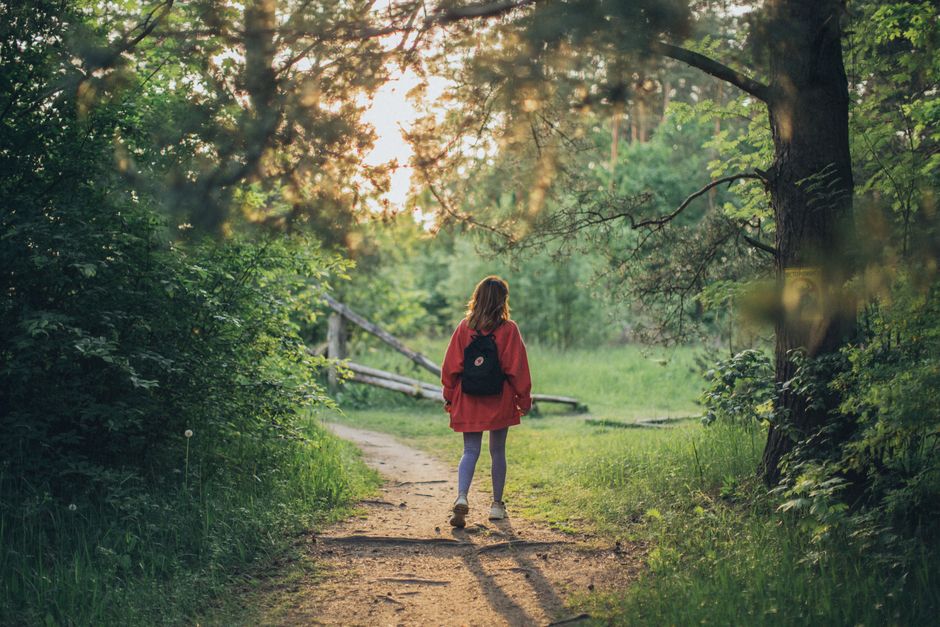
If you're new to walk and talk therapy, it's natural to wonder what to expect. Your first step is talking with a therapist about whether this approach makes sense for your situation and what you're dealing with.
TherapyWalk Innovative Counseling offers walk and talk sessions as part of its therapy services. When you request a free consultation, you can ask questions about how walk and talk therapy works and whether it's a good fit for you. The therapist will talk with you about your goals, comfort level, and any physical limitations.
Dress comfortably for the weather and wear shoes suitable for walking. Bring water if you like. The therapist will guide you on logistics during your consultation. Your job is simply to show up, walk, and talk about what's important to you.
Is Walk and Talk Therapy Right for You
Walk and talk therapy isn't for everyone, and that's okay. If you have physical limitations that make walking difficult, or if you live in a climate where outdoor sessions aren't practical year-round, you might prefer traditional in-office therapy or online sessions. If you're in crisis or dealing with severe mental health symptoms, you'll want to discuss that with a therapist before deciding on format.
The best way to know if walk and talk therapy is right for you is to talk with a licensed professional who can listen to your needs and recommend an approach that fits. TherapyWalk Innovative Counseling can help you explore your options and find a therapy style that feels comfortable and effective for you.
Getting Started With Walk and Talk Therapy
If you're interested in trying walk and talk therapy, the first step is simple: reach out. Request a free consultation where you can ask questions, share what you're dealing with, and get honest feedback about whether this format might help you.
The therapist will want to understand your situation, your goals, and what draws you to walk and talk therapy specifically. They'll also talk about their approach and what you can expect. This conversation helps both of you figure out if it's a good match.
Remember, therapy is a partnership. Your comfort and trust matter. If you have concerns or questions, bring them up. A good therapist will take time to answer and help you feel confident before you start.
Is walk and talk therapy as effective as office therapy?
Both formats can be effective. Walk and talk therapy works well for people who feel more comfortable moving, who benefit from nature, and who find the side-by-side format less intimidating. Some people actually open up more easily when they're walking. The key is finding the format that works best for you and your needs.
What if the weather is bad?
That's something to discuss with your therapist during your consultation. Some people do walk and talk sessions year-round with appropriate clothing. Others might have a backup plan for rain or extreme heat. Your therapist will help you plan for your climate and preferences.
Can I do walk and talk therapy if I have physical limitations?
Talk with your therapist about your specific situation. Depending on your physical abilities, you might do slower walks, sessions in a quieter area with less terrain, or explore whether traditional in-office or online therapy might work better for you. A licensed clinician can help you find an approach that's accessible and effective.
How do I know if I should try therapy at all?
If you're dealing with stress, anxiety, depression, grief, relationship challenges, past trauma, or just feeling stuck, talking with a licensed professional can help. Therapy gives you tools, perspective, and support. You don't have to be in crisis to benefit. If something's weighing on you, that's reason enough to explore it with a therapist.